
Leak Detection
Water Leak Detection in Pueblo
A leak you can see gets fixed the same day. The expensive ones are the leaks nobody sees — behind a wall, under a slab, below the yard — quietly running up the bill and soaking the structure for months. We find those.
Why hidden leaks are worth chasing
A leak running inside a wall or beneath a floor does three things at once. It wastes water you are paying for, month after month. It feeds rot and mold in materials that were never meant to be wet. And it undermines whatever it is running under — which is how a leak that would have cost a modest repair becomes a floor that needs replacing.
None of that announces itself. The usual way people find out is a water bill that has climbed for no reason, or a smell that won’t go away. By then it has usually been running a while, which is exactly why it is worth acting on the first hint rather than waiting for proof.
Signs you have one
- A water bill that has gone up without any change in how much you use.
- Damp patches, staining or bubbling paint on walls, ceilings or floors.
- A musty smell in a room, a cupboard or a crawlspace that doesn’t clear.
- The sound of running water when every tap in the house is off.
- Low water pressure that has come on gradually.
- A warm or damp spot on the floor, which usually means a hot line leaking under the slab.
- Grass growing faster in one patch of the yard, or ground that stays soft when everything around it is dry.
Check it yourself first
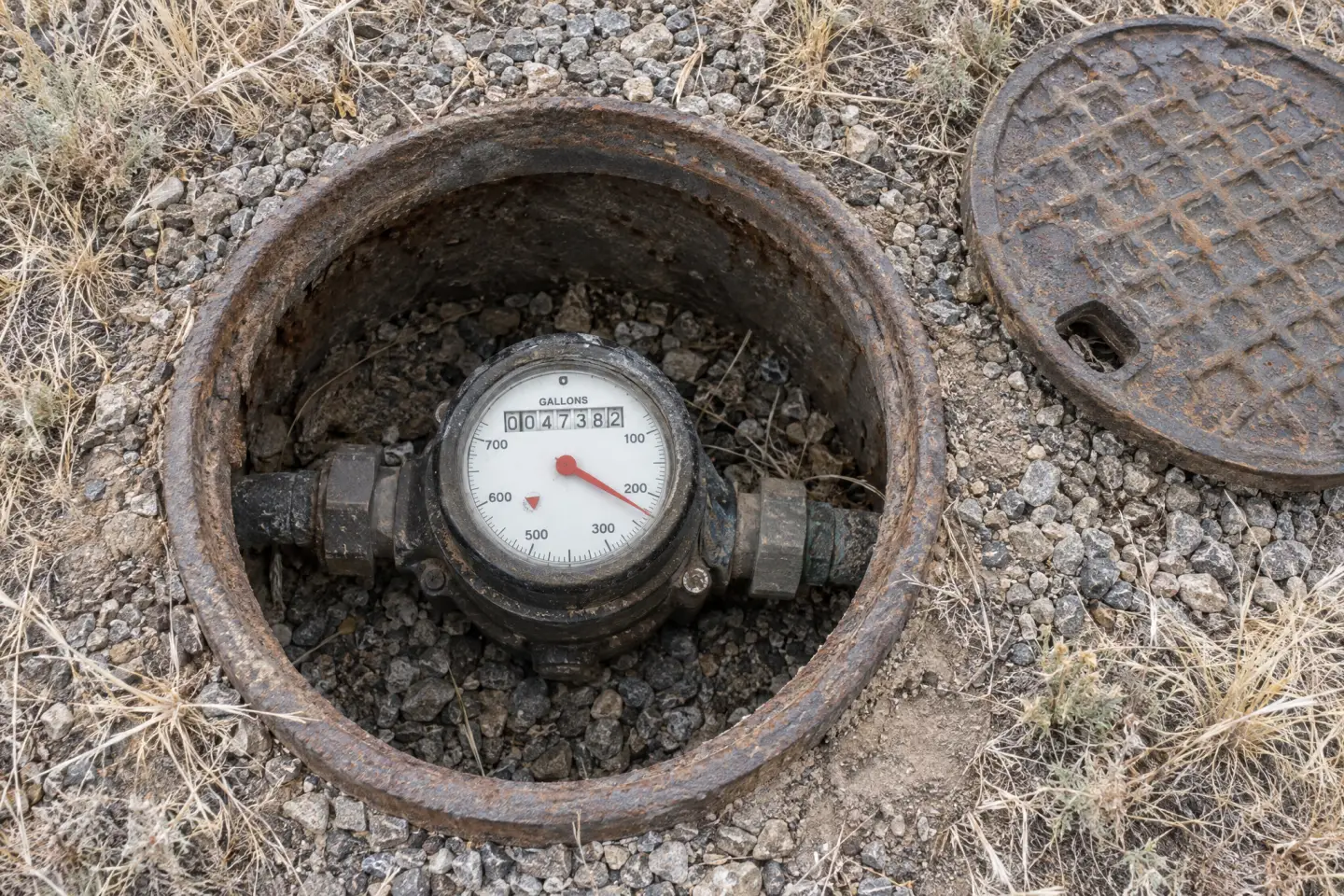
Before you call anyone, there is a test worth doing, and it costs nothing. Turn off every tap and water-using appliance in the house, including ice makers, and don’t flush. Read your water meter, noting the small leak-indicator dial if yours has one. Leave it completely alone for two hours, then read it again.
If the numbers moved, water went somewhere. That won’t tell you where the leak is, but it turns a suspicion into a fact — and it is genuinely useful to us when you call, because it rules out a long list of other explanations before we start.
How we find them
The whole point of leak detection is to avoid opening things up to go looking. Anyone can find a leak by removing a wall. The skill is narrowing it down first, so that when something does get opened, it is the smallest possible something and the leak is behind it.
So we work from the outside in: confirm the loss is real, isolate which part of the system it is on, narrow it to a run, then to a section. Only then does anything get opened. That approach is what keeps a leak repair from turning into a renovation, and it is why it is worth calling someone rather than guessing with a hammer.
Slab leaks
A supply line running under a concrete foundation has nowhere to surface when it fails, so a slab leak can run unnoticed far longer than any other kind. The tells are a warm or damp patch on the floor, the sound of water with everything off, new cracks in flooring, or a water heater cycling more than it used to because the leak is on the hot side.
These are worth taking seriously early. The water doesn’t stop, the damage compounds, and the difference between locating one precisely and locating one roughly is the difference between opening a small section of floor and opening most of a room.
Once we find it
We’ll show you what we found and what it will take to put right, with the price before we go further. Sometimes that is a straightforward repair to a section of pipe. Sometimes, on an old line that has started failing in several places, replacing the run is the better value even though it sounds like more — and we’ll say so, with the reasoning, rather than selling you the larger job by default.
What it costs
Leak detection is $120 per hour during regular hours. Emergency work outside those hours, when water is actively running and you need help right away, is $240 per hour. We quote most jobs before any work begins. On the rest, we explain what we find before going further. See the full rate table.
Repair work is covered by our workmanship guarantee. If a leak has already caused damage, tell your insurer early: many policies treat sudden water damage differently from damage that has been developing for months, and a documented repair date helps.
People Ask
Leak questions
What are the signs of a hidden water leak?
Hidden leaks can cause serious damage if left untreated. Watch for these common warning signs:
- Unexplained increases in your water bill
- Damp spots on walls, ceilings, or floors
- Mold or mildew smells
- The sound of running water when nothing is on
- Low water pressure
- Warm or wet spots on floors
If you notice any of these signs, it’s best to have a professional inspect your plumbing before the issue gets worse.
How do I check my water meter for a leak?
This is the simplest test there is, and you can do it yourself in about half an hour:
- Turn off every tap, appliance and ice maker in the house, and don’t flush anything.
- Find your water meter and note the reading, including the small leak-indicator dial or triangle if yours has one.
- Leave it alone for two hours with no water used at all.
- Read it again. Any movement means water is going somewhere it shouldn’t.
If the leak indicator is creeping while everything is off, you have a leak on your side of the meter. That doesn’t tell you where, but it does tell you it is real and worth finding.
What is a slab leak and how do I know if I have one?
A slab leak is a leak in a supply line running beneath a concrete foundation. Because the water has nowhere obvious to surface, it can run for a long time before anyone notices. The usual signs:
- A warm or unexpectedly damp patch on the floor
- The sound of running water when every fixture is off
- Cracks appearing in flooring or walls, or a floor that has started to feel uneven
- A water bill climbing with no change in habits
- A water heater running more than it used to, if the leak is on the hot line
Slab leaks don’t improve on their own and the damage compounds, so they are worth investigating early. Finding one precisely is the whole job — it is the difference between opening a small section of floor and opening a room.